Single diagram of electric power distribution system Circuit Diagram The Radial Distribution System has one power source for a group of customers. If there is a power failure, the entire group loses power. In addition, a circuit failure somewhere in the system could mean a power interruption for the entire system. FIGURE 2: SIMPLE RADIAL DISTRIBUTION SYSTEM This is the most economical and widely used system.
Distribution transformer: A distribution transformer, also called as service transformer, provides final transformation in the electric power distribution system.It is basically a step-down 3-phase transformer.Distribution transformer steps down the voltage to 400Y/230 volts. Here it means, voltage between any one phase and the neutral is 230 volts and phase to phase voltage is 400 volts.

Fundamentals of electrical distribution systems Circuit Diagram
Designing an electrical power distribution system requires a structured approach to ensure efficiency and safety. Start by defining load requirements and selecting appropriate voltage levels. Next, design the distribution layout and choose reliable equipment. Perform calculations and document the system thoroughly.
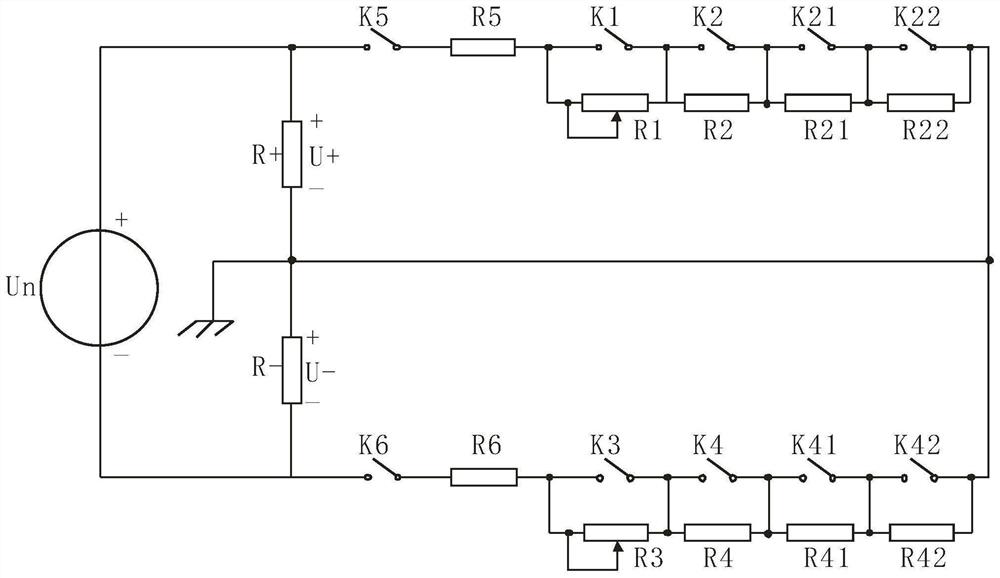
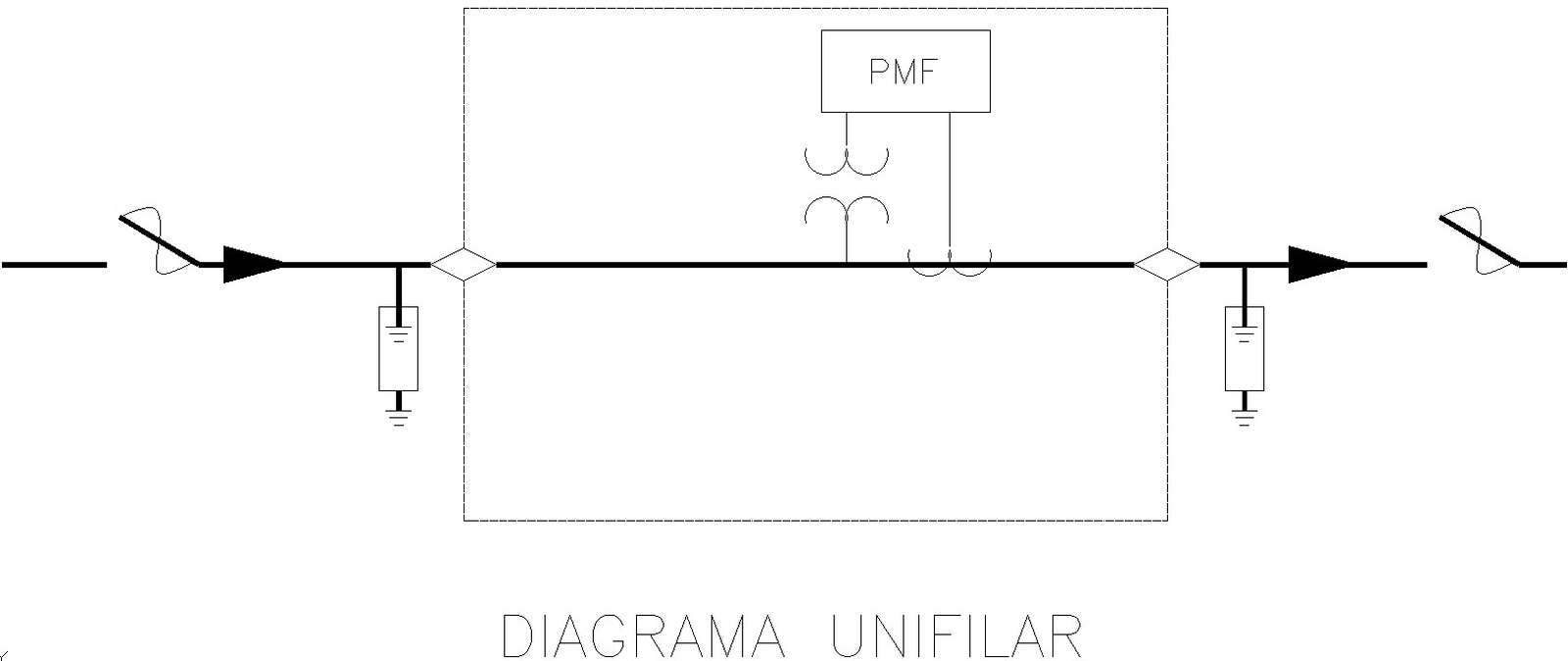
A one-line diagram for an electric power distribution system is an electrical drawing that uses single lines and graphic symbols to illustrate the current path, voltage values, circuit disconnects, fuses, circuit breakers, transformers, and panelboards.. One-line diagrams use the most basic symbols because the intent of the drawing is to illustrate as clearly as possible the flow of current

PDF Introduction to Power Distribution Systems Circuit Diagram
The following basic considerations are fundamental to any power system design: Basic safety: The power system must be able to perform all of its basic functions, and withstand basic abnormal conditions, without damage to the system or to personnel. Basic functionality: The power system must be able to distribute power from the source to the connected loads in a reliable manner under normal
